Finding the right images online has become a core part of research, content creation, product discovery, and even daily problem-solving. In this guide, we explore image search techniques that help users narrow down visuals with precision, speed, and clarity. Whether you’re a marketer, student, designer, or casual user, mastering these strategies will save time and improve results.
Why Image Search Matters Today
Images have transformed how people consume information. With growing visual content online, the challenge isn’t abundance—it’s accuracy. Using the right image search techniques helps you filter irrelevant results, confirm authenticity, trace original sources, and discover visually similar items. These methods are especially valuable for online shoppers, researchers, and professionals who rely on precision.
Understanding How Image Search Works
Before diving deeper, it’s useful to understand the basics. Search engines analyze visual patterns, shapes, colors, metadata, and even context surrounding an image. By knowing how algorithms interpret visuals, you can apply better image search techniques to guide the system toward more accurate outcomes.
Pattern Recognition
Modern tools scan colors, edges, and shapes to identify visual matches. When you use advanced image search techniques, the system can locate objects, landmarks, products, or even faces based on these patterns.
Contextual Understanding
Search engines also read surrounding text, page titles, and tags. This means uploading an image or typing a description becomes more effective when combined with thoughtful keywords—another smart way to elevate your image search techniques.
Techniques for More Accurate Image Searching
1. Reverse Image Search
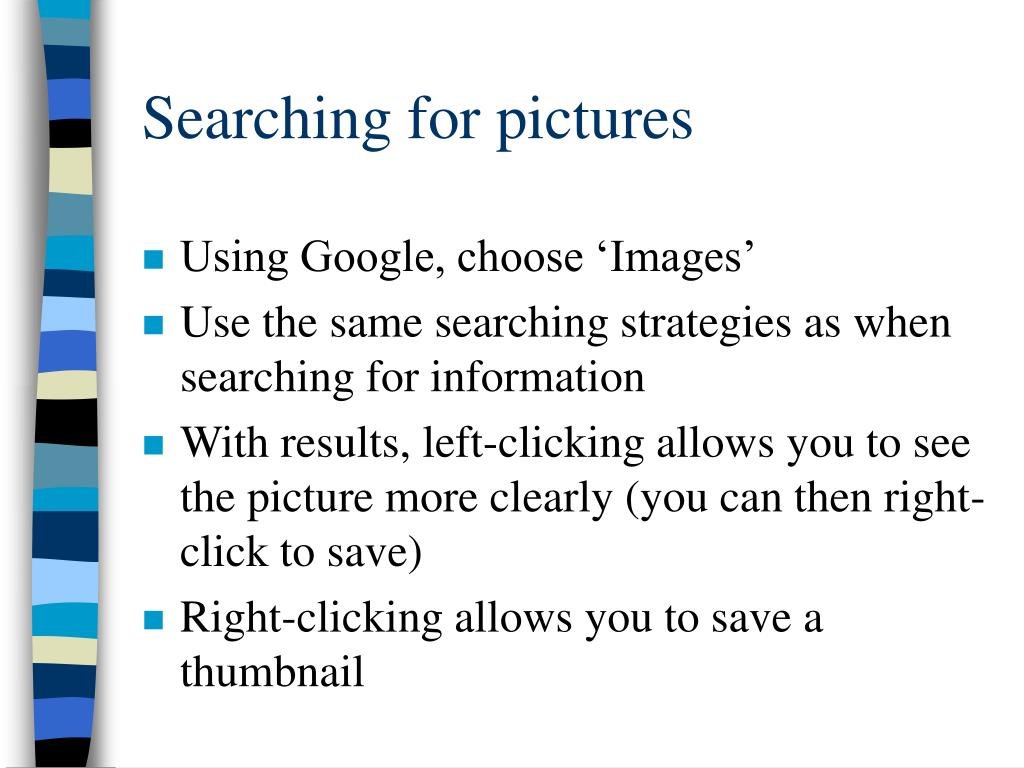
This is one of the most powerful image search techniques available. You upload a picture or paste an image URL, and the tool searches visually similar results. This helps you:
-
Identify original image sources
-
Detect fake profiles or edited images
-
Find higher-resolution versions
-
Locate product listings that match a photo
Reverse search is perfect for verifying image authenticity and tracking where else an image appears online.
2. Keyword-Driven Visual Search
Typing descriptive keywords remains one of the simplest image search techniques. For best results, use:
-
Action-based terms
-
Color details
-
Brand and model numbers
-
Location names
-
Unique identifiers
The goal is specificity. Instead of “red shoes,” try “red running shoes with white sole.” Precise phrasing leads to dramatically improved results.
3. Filter-Based Searching
Filters are underrated yet powerful image search techniques. They help narrow results based on:
-
Size
-
Color
-
Type (photo, illustration, vector)
-
Usage rights
-
Time
For content creators or students who need copyright-safe imagery, usage-rights filtering is essential.
4. Searching by Image Style
Sometimes you’re not searching for an exact item—you want inspiration. Searching by style is an excellent use of image search techniques for designers and artists. By experimenting with terms like “minimalist kitchen design” or “retro poster art,” you can uncover patterns, palettes, and concepts that match your creative vision.
5. Object-Specific Searching
Certain platforms allow you to click on specific parts of an image to find related visuals. These image search techniques use object detection to locate items like:
-
Shoes
-
Bags
-
Furniture
-
Electronics
This helps online shoppers compare products instantly.
6. Mobile Camera Search
Smartphones have significantly advanced image search techniques. Using your camera, you can scan:
-
Plants
-
Animals
-
Landmarks
-
Products
-
Text
Real-time results turn your camera into a visual search engine, making these techniques practical for everyday discovery.
7. Layering Methods for Better Results
Experts often combine multiple image search techniques for maximum precision. For example:
-
Start with a reverse image search
-
Add keyword adjustments
-
Apply filters
-
Use a style-based variation
Layering sharpens results and avoids frustration when dealing with look-alike images.
Common Mistakes to Avoid
Even effective image search techniques can fail when users:
-
Rely on vague keywords
-
Ignore filters
-
Upload low-quality images
-
Search with mismatched context
-
Skip reverse searches for verification
Avoiding these mistakes ensures cleaner, more relevant search outcomes.
Future of Visual Search
Artificial intelligence continues to elevate image search techniques. Future systems will likely recognize emotions, textures, depth, and even user intent. Expect more accurate predictions, stronger personalization, and cross-platform continuity.
Conclusion
Mastering image search techniques empowers you to navigate the internet more efficiently and confidently. Whether you’re tracking an image’s source, identifying objects, or gathering visual inspiration, these strategies help you extract maximum value from modern search tools. With practice, the process becomes intuitive, fast, and incredibly accurate.